
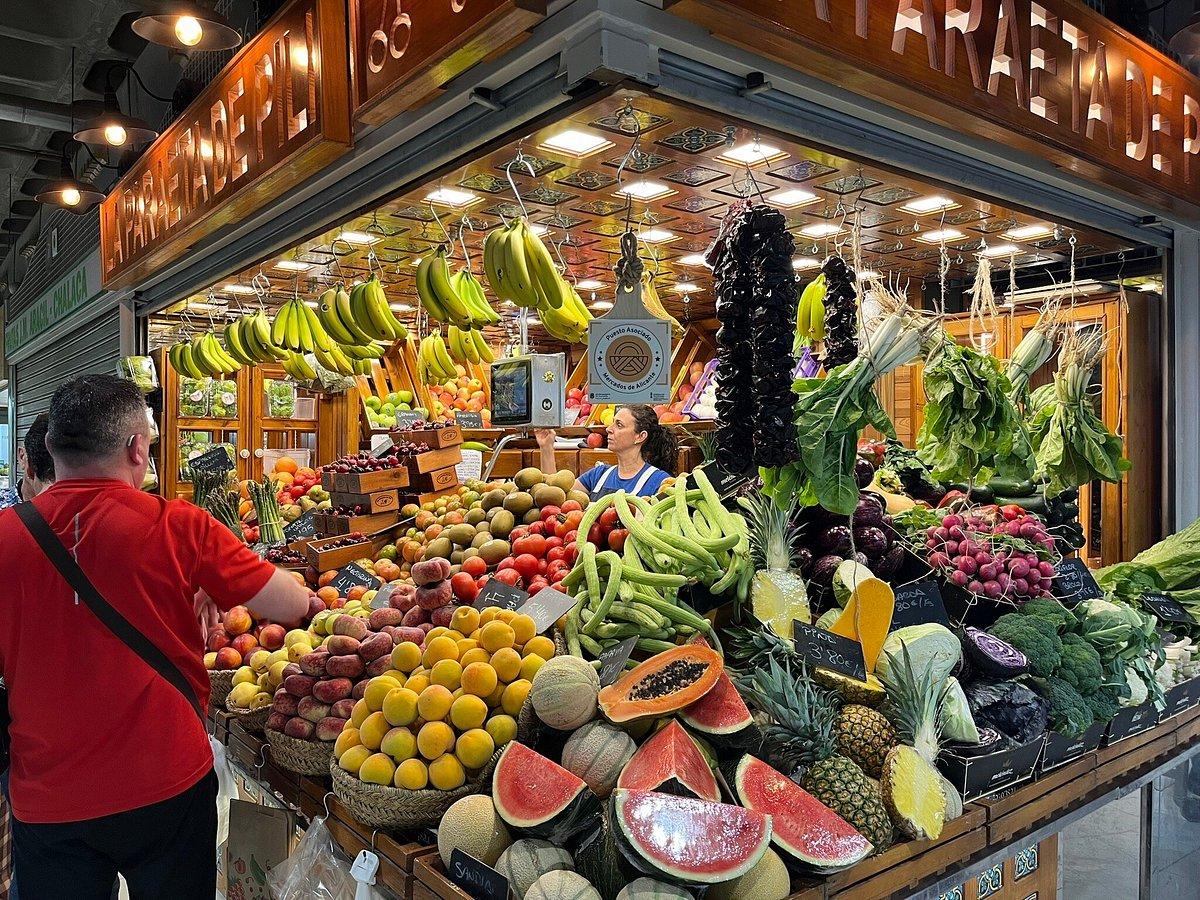
There are plenty of ways to get to know a place, but a market morning is one of the most enjoyable. You hear snippets of conversation, see what is in season and begin to notice the everyday habits that rarely make it into a holiday brochure.
Along the Costa Blanca and Costa Cálida, markets range from permanent food halls to weekly outdoor stalls. They are not all alike, and that is precisely why they are worth exploring.
Alicante’s Central Market: a city institution
The Mercado Central de Alicante is a good place to discover the food culture of the region without leaving the centre of the city. Opened in 1922, its architecture makes a strong first impression, but the produce is what brings people back.
Stroll through the fish, meat, fruit and vegetable stalls and you get a practical picture of the ingredients used in local kitchens. It is the sort of place where a small purchase, a question or an unhurried conversation can make your visit more memorable than a quick tour with a camera.
If you’re planning an Alicante day trip, the market fits naturally into a morning before exploring the old town. Just confirm trading hours beforehand, particularly around holidays.
Torrevieja and La Mata: two outdoor market mornings
Torrevieja’s weekly outdoor market is traditionally held on Fridays in the Avenida Delfina Viudes area. The city’s official tourism website also lists a Wednesday market at La Mata, on Avenida de Francia.
These are different from a dedicated food hall. Alongside fresh produce you may find clothes, accessories and household items. They can be busy, especially during the holiday season, so arriving earlier usually makes the experience more comfortable.
Market days and arrangements can change because of public holidays or local events. If your plans depend on a particular morning, check the town hall’s current announcements rather than relying on a guide written months earlier.
What should you look for?
Start with what is seasonal rather than with a fixed shopping list. Citrus fruits, tomatoes, peppers, olives and regional cheeses may catch your eye at different times of year. Fresh fish is an important part of coastal cooking, while produce from Murcia’s agricultural areas appears in many local dishes.
Buying a few ingredients for a simple lunch can be a more satisfying introduction to the region than trying to sample every speciality in one outing. A good tomato, fresh bread, olive oil and something from the fish counter can tell you a lot about Mediterranean food without any elaborate preparation.
Cross into the Costa Cálida through its food
Murcia’s coast has its own culinary identity. One dish worth knowing is caldero, a rice dish associated with fishing communities around Cartagena and the Mar Menor. It is traditionally prepared with a richly flavoured fish broth, and the rice and fish may be served separately.
Other regional dishes include zarangollo, made with vegetables and egg, and marinera, a tapa built around Russian salad on a crisp bread ring with an anchovy. The details vary from kitchen to kitchen, which is part of the pleasure of trying them.
You don’t have to become an expert in Spanish food vocabulary before visiting. Ask what a restaurant is known for, try one unfamiliar dish alongside something you already enjoy, and let the meal take its time.
Market manners that make a difference
- Look before touching: at some stalls the seller prefers to select fruit or vegetables for you.
- Carry a reusable bag: it makes small purchases much easier.
- Ask before taking close-up photos: vendors are working, not posing for visitors.
- Bring a flexible plan: a busy market can take longer than expected.
- Keep valuables secure: crowded public places deserve the usual common-sense care.
A little routine can tell you a lot about living here
For anyone considering spending more time in Spain, repeat a market visit rather than treating it as a one-off attraction. See how the neighbourhood works on an ordinary morning, notice how easy it is to get there and discover whether you enjoy that everyday rhythm.
Good local knowledge comes from exactly these modest experiences. An enjoyable lunch, a conversation at a stall or a favourite place to buy fruit often becomes part of feeling at home.