
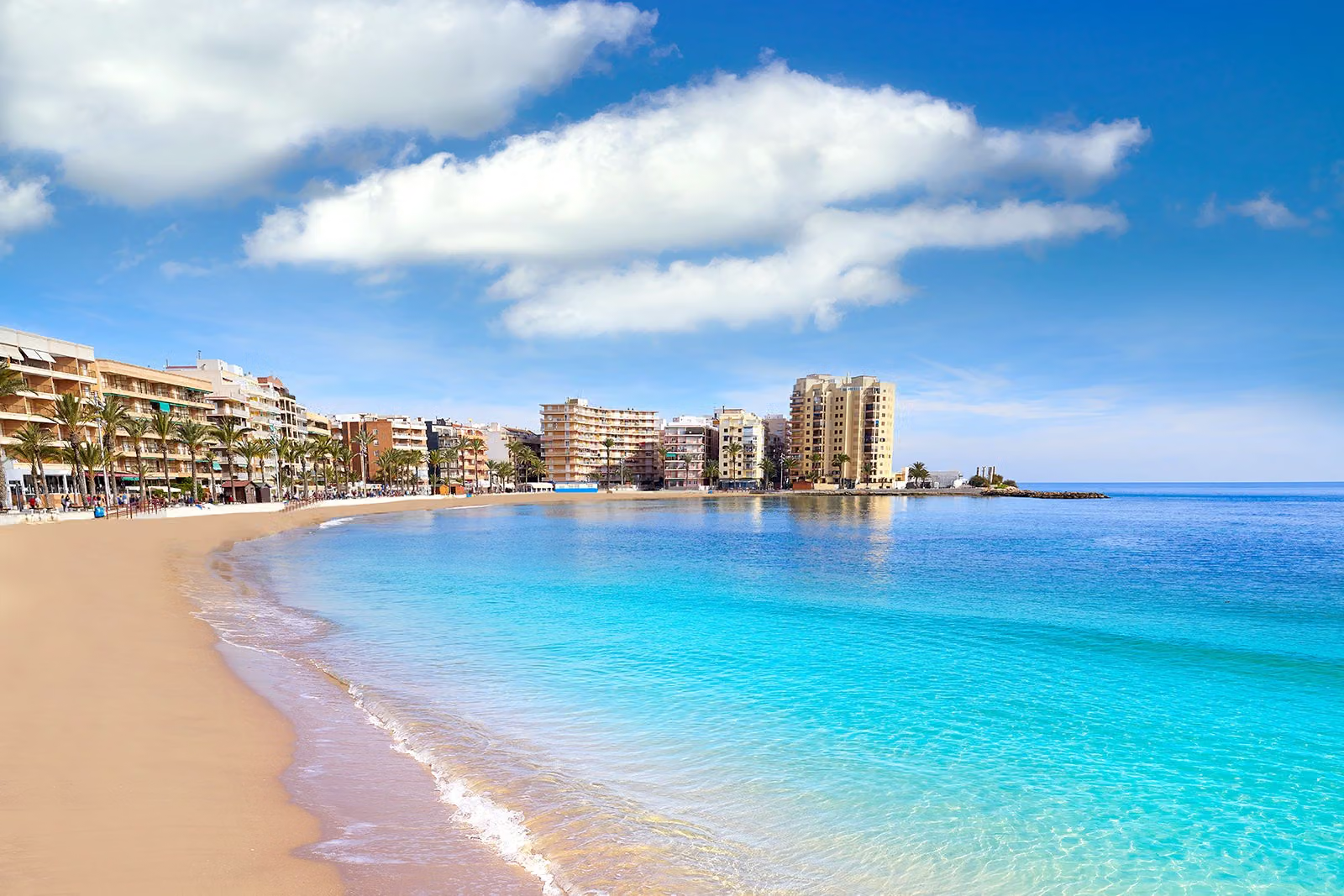
Ask someone what to do in Torrevieja and the answer is likely to begin with the beach. That makes sense: the sea shapes the town, and beaches such as Playa del Cura, Los Locos and La Mata are a big part of its appeal. But there are plenty of reasons to leave the towel behind for a day.
Torrevieja has a working history built around salt and fishing, a remarkable wetland landscape, neighbourhood parks and a busy everyday life that continues long after the main summer holiday season ends. Here are a few ways to see more of it.
Understand the town through its salt history
Torrevieja did not begin as a resort. Salt production has played a major role in its development, and the lagoons behind the town are central to that story. One useful starting point is the Museo del Mar y de la Sal, which explores the relationship between the town, the sea and the salt industry.
Rather than treating it as a quick stop between shops, allow yourself time to look at how fishing boats, salt production and everyday objects tell the story of local working life. It makes the landscape outside more meaningful, especially when you later see the salt lakes.
Check the museum’s current opening arrangements before visiting; exhibition access and schedules can change.
See the lagoons respectfully
The Lagunas de la Mata y Torrevieja Natural Park is one of the most striking landscapes in the southern Costa Blanca. The two lagoons are associated with salt production, and the waters of the Torrevieja lagoon can appear pink because of microscopic organisms living in the highly saline environment.
Photos online can make the colour look permanent and almost unreal. In practice, its intensity varies with environmental conditions, the light and the season. It is better to visit with curiosity than to expect a particular shade of pink.
La Mata lagoon is also an important place for birds. Look for marked paths and viewing areas, and bring binoculars if birdwatching interests you. Flamingos are among the species associated with the wetlands, but wildlife sightings are never guaranteed.
Important: The lagoons are protected environments and are not ordinary swimming beaches. Follow the park’s rules, stay on designated routes and do not enter restricted areas for photographs.
Try the Torrevieja Greenway
For an outing with a little more movement, consider the Vía Verde de Torrevieja. This former railway corridor provides a route of nearly seven kilometres through a mixture of urban and lagoon-side scenery. It is a practical option for a walk or ride when you want something different from the seafront promenade.
It is not a remote mountain hike. That is part of its appeal: you can be close to town and still find views that explain why the surrounding wetlands are so important. Take water, choose a comfortable time of day and remember that open stretches may offer limited shade.
Spend time in the centre without an itinerary
Some of the best moments in a Spanish coastal town are not destinations at all. Find a café, watch people come and go, have a coffee without rushing, and give yourself time to explore the streets around the centre.
Torrevieja’s central promenades and streets can be lively, particularly at weekends. A short walk can take you from a shopping street to the harbour area or to places where the sea is suddenly in view again. The experience is less about seeing something famous and more about noticing how the town works.
Look for traces of the coast’s defensive past
The coastline around Torrevieja also has historic watchtowers, including Torre del Moro and Torre de La Mata. They belong to a very different chapter of Mediterranean life, when watching the sea was a matter of security rather than leisure.
These are interesting stops to combine with a coastal walk. You do not need a full history lesson to appreciate them; simply seeing where they stand helps connect the modern town with the older coastline.
Choose a plan that suits the weather
It is worth having two versions of a Torrevieja day. In hot weather, make the most of the morning and plan an indoor or shaded stop around the middle of the day. When the temperature is cooler, a longer walk around the coast or through the natural park can be a pleasure.
- For a first visit: Combine the town centre, the Sea and Salt Museum and a seafront walk.
- For nature: Choose a signed route at La Mata lagoon and allow time for birdwatching.
- For a relaxed afternoon: Enjoy a park, a café and an unhurried stroll through the centre.
- For repeat visitors: Explore the Greenway or make time to see one of the historic watchtowers.
What about a guided salt-lake visit?
Organised visits can sometimes offer access to parts of the salt-working landscape that visitors cannot enter independently. They are a good way to understand the industrial as well as ecological side of the lagoons. Use an official operator, check the latest schedules and follow any restrictions on access and photography.
Torrevieja is more than its postcard image
It is a town of contrasts: busy streets and quiet wetland paths, holiday apartments and ordinary daily routines, modern promenades and older reminders of the fishing and salt industries. If you see only the beach, you miss much of what gives Torrevieja its character.
For those considering a longer stay, our Costa Blanca living guide provides a wider view of the region.