
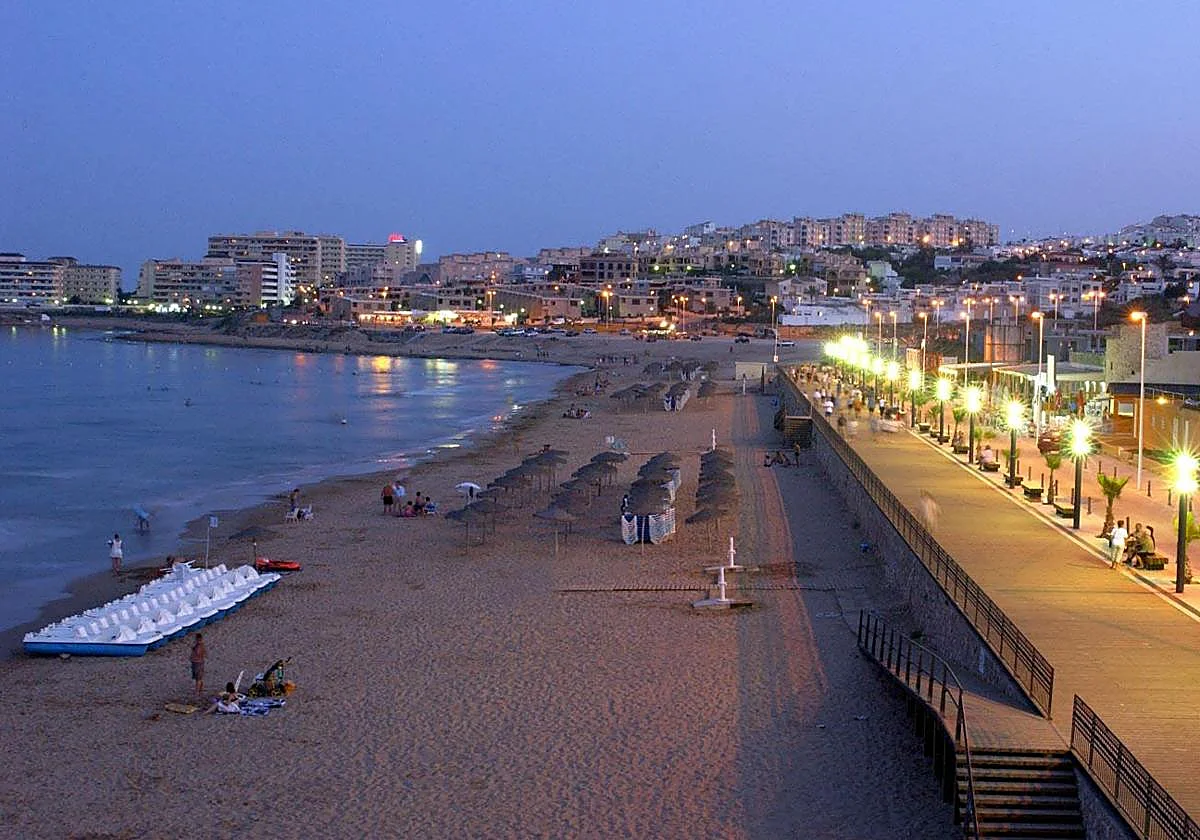
A property described as “walking distance to the beach” can sound like an easy decision. But the phrase is not a standard measurement. A five-minute stroll along a level promenade is very different from a short-looking route that involves a steep hill, a busy road or an inconvenient crossing. On the Costa Blanca and Costa Cálida, those differences can matter more than a few hundred metres on a listing.
If you want a coastal home that works for ordinary life—not just for a week in August—look beyond the advertised distance. These are the questions worth asking before you fall in love with a balcony view.
1. Measure the route, not the straight line
A map pin may look close to the water while the actual pedestrian route takes a long detour. Check the building’s entrance, not only its neighbourhood. Follow the route to the beach access point you would really use, then walk it yourself. Note the pavements, crossings, steps and any sections with poor lighting.
Do the walk at a comfortable pace rather than using a map app’s fastest estimate. If you would regularly carry shopping, a beach bag or a pushchair, imagine making the same journey with those things in hand.
2. Look at slopes, steps and everyday accessibility
A beautiful elevated home can offer wonderful views and still mean an uphill return after every swim. Consider the needs of everyone who may use the property, including older relatives, children and guests with limited mobility. Lifts inside a building do not solve a steep approach outside it.
Beach facilities differ by location and season. Torrevieja’s official tourism information, for example, describes accessibility features for individual beaches; that is a reason to check the specific access point rather than assuming every stretch of coastline is alike.
3. Visit outside the holiday rush
Walk the route on a normal weekday and again when the area is busy, if possible. Summer traffic, parking pressure and crowded promenades can change how convenient a place feels. Conversely, a quiet winter visit may hide how lively the same street becomes in peak season.
Pay attention to café deliveries, evening noise, nearby roads and whether the shops you plan to use remain open outside summer. Neither a bustling resort nor a peaceful residential road is automatically better: the right choice depends on your routine.
4. Ask which beach you actually want to reach
“Near the sea” might mean a sandy beach, a rocky cove, a seafront path or simply a view across the water. If swimming is important to you, confirm where you can enter the sea comfortably and what the local safety guidance says. If you prefer walking, a long promenade may matter more than the nearest patch of sand.
Also check where the beach accesses are located. Being close to the shoreline does not always mean having a direct public route down to it.
5. Test the practical errands as well
Beach proximity is only one piece of daily life. Try a second walking route: from the front door to a supermarket, pharmacy, café or public transport stop. Can you comfortably return with groceries? Is there a safe crossing? Would you still enjoy the route in hotter weather or after dark?
Homes in Torrevieja, La Mata, Guardamar and Orihuela Costa can offer very different patterns of services and walking routes even within the same town. Compare actual streets and addresses rather than treating a town name as a guarantee of convenience.
6. Check the property, not only the neighbourhood
For a coastal home, ask about ventilation, shade, moisture, maintenance and any community rules or recurring costs relevant to the property. A sea view and a terrace are attractive, but comfort indoors and the running costs deserve equal attention.
It is also sensible to review location-specific environmental risks before making a commitment. Spain’s official National Flood Zone Mapping System provides a useful starting point, but mapped coverage is not complete everywhere. A blank area on the viewer is not proof of zero flood risk. For legal, planning and property-specific due diligence, take independent professional advice.
A simple checklist for your viewing day
Before deciding that “walking distance” really works for you, check:
- The actual door-to-beach walking route and its gradients.
- Pavements, crossings, stairs, lighting and accessible alternatives.
- The beach or promenade entrance you would use most often.
- The feel of the street in both quieter and busier periods.
- Walking access to everyday shops and services.
- Property condition, running costs and independent due diligence.
A good coastal home is one where the journey, the neighbourhood and the property itself fit the way you want to live. For more area comparisons, explore our local guides or see how Ibeka Homes works with buyers. We can help you make a focused shortlist; independent legal and technical checks remain essential before purchasing.