
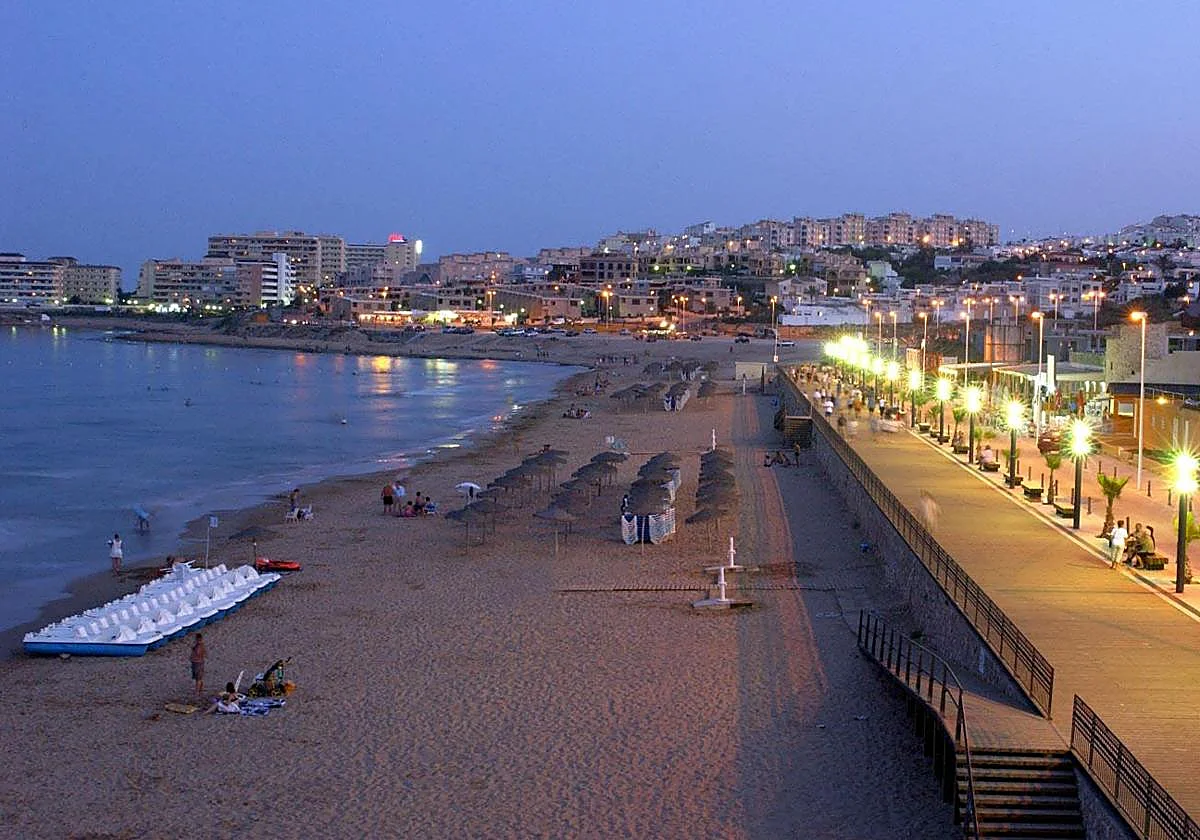
The first thing you notice in La Mata is how quickly the beach becomes part of an ordinary day. A few streets back from the sea, people are buying bread, collecting a coffee or stopping for a conversation. Then, almost without ceremony, the road opens towards a long sweep of sand and the Mediterranean.
La Mata is part of Torrevieja, yet it does not feel like simply another stretch of the city’s waterfront. It has its own small centre, familiar meeting places and an easy relationship with the beach. That combination makes it worth exploring even if you are staying elsewhere on the southern Costa Blanca.
Start in the village, not on the sand
It is tempting to head straight for a sunbed. Instead, allow a little time to wander through the streets near the centre of La Mata. The appeal is in the everyday details: neighbourhood cafés, small shops and the way the sea is seldom far from view. It is not a polished old town built around one famous monument, and it is better appreciated without expecting it to be one.
For a relaxed visit, arrive in the morning, have breakfast and then work your way towards the promenade. In busier holiday periods, arriving earlier can also make parking and finding a pleasant spot on the beach easier. Outside summer, the pace often feels quite different: more long walks, fewer beach towels and people making use of the coast as part of daily life.
If your visit falls on a Wednesday morning, you may also catch La Mata’s weekly street market on Avenida de Francia. It is a good excuse to look at the produce stalls and see a busier side of local life. Check the current municipal notices before arranging your day around it; markets can change for holidays or other reasons.
A beach with room to walk
Playa de La Mata is Torrevieja’s longest beach, extending for roughly 2.3 kilometres according to the municipality’s visitor information. It offers the sort of shoreline that invites a proper walk rather than a quick photograph. The sand is broad in places, the view is open and there is a mix of developed seafront and stretches where the dunes feel much closer.
The northern section is nearer La Mata’s urban centre and the historic tower. Further south, the beach runs alongside the Molino del Agua natural area, with protected dunes and pine trees adding another dimension to the scenery. These sections do not feel identical; that is part of the pleasure of spending time here.
In summer you can expect a more animated beach, especially close to access points and places to eat. At quieter times, you may prefer simply walking near the water, watching the changing light or finding a sheltered place to sit. As on any Mediterranean beach, wind, waves and bathing conditions change. Check the flag and official local advice before going in the sea; lifeguard coverage is seasonal.
The path towards Molino del Agua
One of La Mata’s most enjoyable features is the coastal pedestrian path linking the village area with Molino del Agua. The route passes alongside the dunes and creates a natural transition from cafés and apartments to a more open coastal landscape. The municipal tourism service highlights the renovated walkway and its sensitive design in the dune setting.
Molino del Agua is not simply a decorative park. It is a protected natural area where dunes, vegetation and pine woodland need space to survive. The temptation to cut across the sand for a photograph is understandable, but the best way to experience it is from permitted paths and access points.
For anyone interested in birds or the wider ecology of the area, it helps to remember that the beach dunes and the salt lagoons are separate landscapes. Both are valuable, and each has its own rules and character. Our guide to the La Mata and Torrevieja lagoons explains the wetland side in greater depth.
The little tower with a much bigger story
Near the seafront stands Torre de La Mata, the defensive tower that gives the place its name. Its role was connected not only with coastal surveillance but also with protecting the salt-loading activity that once took place here. The regional tourism authority explains that the nearby old salt-shipping area was an important part of the setting.
It is easy to pass the tower without a second thought. Yet it is a useful reminder that this coastline had working lives long before it became associated with holidays and second homes. Fishing, shipping and salt are woven into the history of Torrevieja and La Mata; the modern beaches tell only one chapter.
Where to pause, eat and simply enjoy the day
There is no need to plan an elaborate itinerary. A perfectly good visit might consist of a village coffee, an unhurried walk, a swim when conditions are suitable and lunch near the seafront. The businesses open at any given time will vary with season and day of the week, so choose what appeals when you arrive rather than relying on an old list of supposedly “best” restaurants.
If you have more time, consider returning in the evening. The light changes, the heat eases and the beach feels different again. Some visitors love La Mata precisely because it offers this simple variety without demanding an agenda.
Practical things to know before visiting
- Choose your beach section: the village end is convenient for cafés and local streets; the southern stretches appeal to those who enjoy longer dune-side walks.
- Respect dune fencing: use signed routes and wooden access paths rather than crossing protected vegetation.
- Allow for the season: parking, hospitality opening times and the feel of the seafront change significantly between busy summer days and quieter months.
- Consider accessibility individually: municipal information describes adapted areas and assistance services, but check current dates and suitability before making a special journey.
- Do not confuse the beach with the lagoon: the Mediterranean is a bathing coast when conditions permit; the protected salt-lagoon waters are not recreational swimming areas.
Is La Mata worth a day out?
Very much so, particularly if you enjoy places that make sense without a packed list of attractions. La Mata is not trying to impress you at every corner. Its charm is more straightforward: a walkable seaside setting, a long beach, reminders of its working past and access to a coastal landscape that deserves care.
If you return more than once, try coming in different seasons. The contrast will teach you more about the village than any single summer afternoon can.